
10 Tips for Navigating Lab Meetings
When all your experiments have failed and you have no data

I didn’t realize it until it was time to publish this article, but this is my 10th article! 🎉🥳 It’s been a fabulous journey writing these 10 articles for all of you, and I’m incredibly grateful for all the kind comments, shout-outs, encouragement, and support along the way. Keeping with the theme of the number 10, this article comes with 1️⃣0️⃣ tips for you!

Weekly lab meetings were a staple of my PhD. At each of these meetings, one student would give a long presentation for 30-45 minutes and the rest of us would give short 5-10 minute updates.
Every Tuesday evening, I would pore over my data, trying to make sense of the experiments I had ran the previous week, and putting together slide decks that looked impressive (while knowing deep down that the pretty slide decks didn’t matter, it was always about the data). Regardless of whether I gave the long or short presentation, I always dreaded lab meetings primarily because my inner introvert self would rather talk to you about science over coffee (or here on Substack!)
Year 1 of my PhD was the worst. Coming from a clinical background into a basic biology lab, I was lost most of the time. I didn’t understand why someone would get excited about seeing a teeny-tiny band on an SDS-PAGE gel. I didn’t understand the nuances of electrochemistry and had no clue how to read those graphs. So, for 3 hours every week, I would sit in a corner and feel completely clueless what people were talking about. By year 4, I loved lab meetings!!! It had nothing to do with my data because a lot of what I proposed to do in my research, didn’t work. What I really loved was the collegiate atmosphere and opportunity to learn from one another.
(I add this disclaimer here that I understand many PhD labs can be quite toxic. Mine wasn’t. it was quite chilled out. My supervisor treated us like adults - she didn’t berate us if we hadn’t done any experiments or missed a day in the lab. All she introduced was a cake fine if we entered the lab meeting after 9 am.)
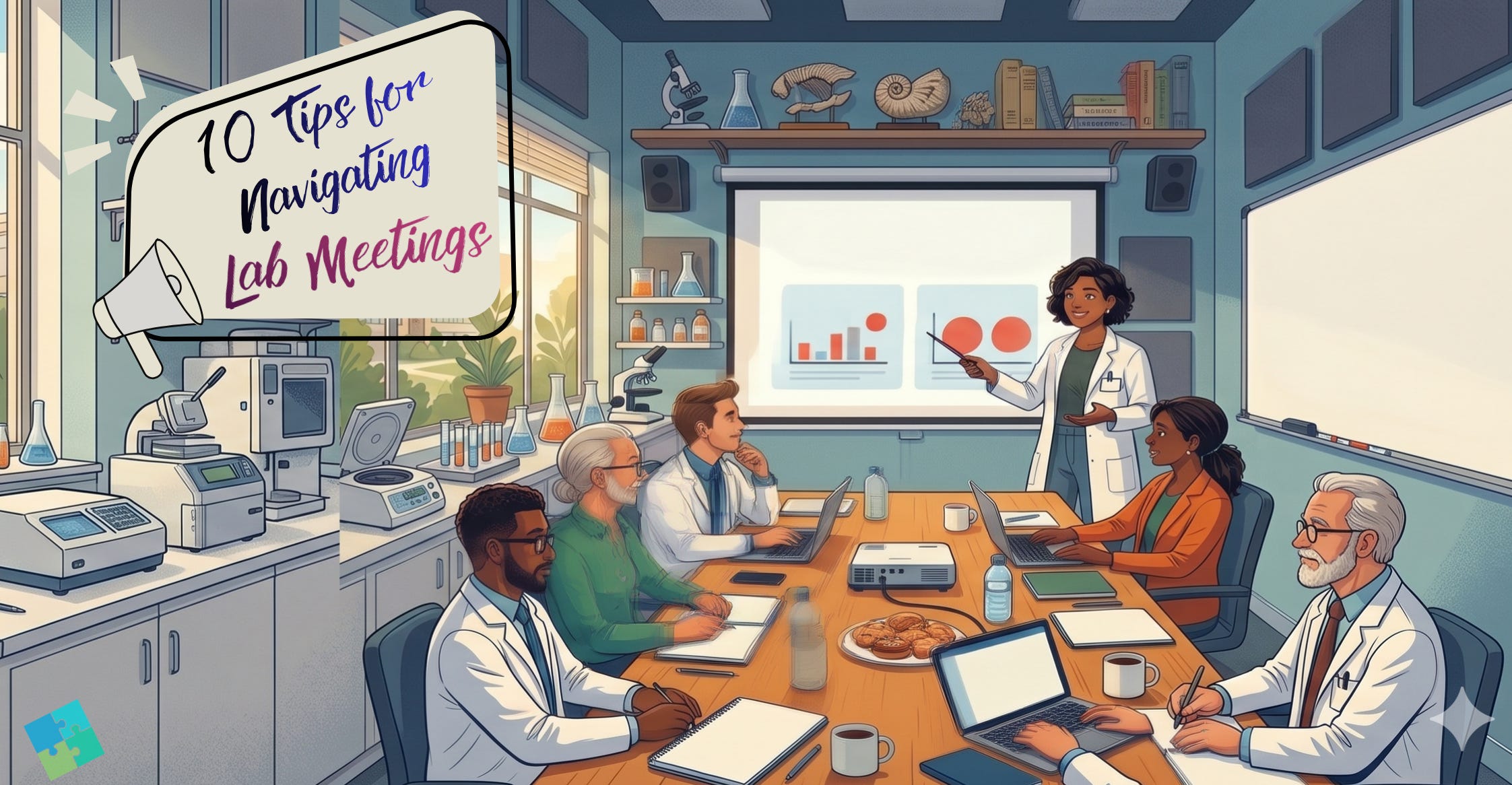
Here are my top 10 tips for navigating lab meetings:
1. Lab Meetings Aren’t Only About Sharing Good Data
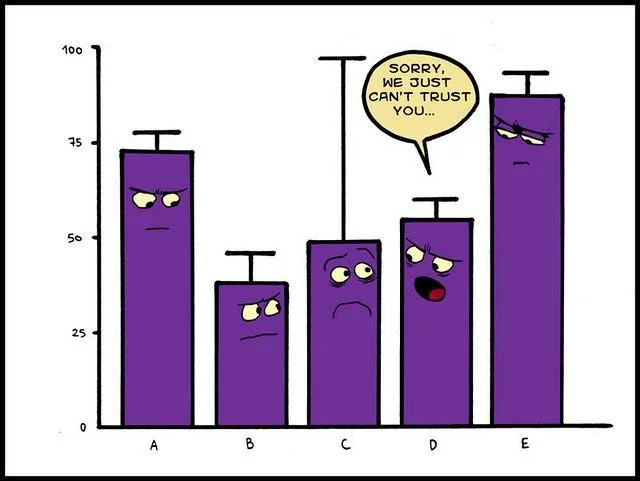
Yes, lab meetings are about giving updates to your supervisor and peers. But, updates ≠ good data. Contrary to popular perception, good data are rare. It requires months of experimentation, layered with failures, tons of repeats before you know you can trust the data, and months of tears. It’s okay to show terrible data in lab meetings.
2. Everyone has Imposter Syndrome
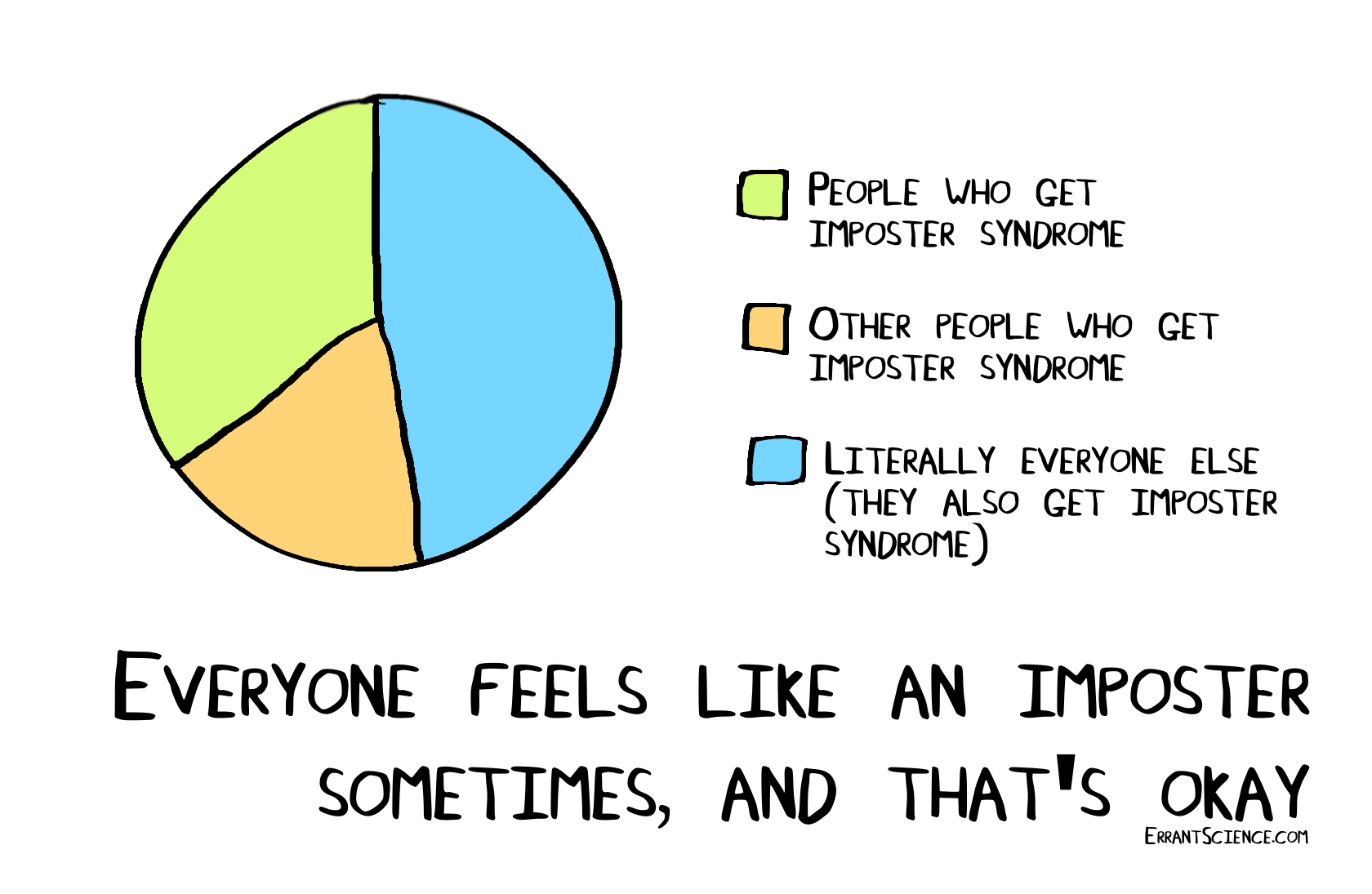
The assumption is always that the other smart people around me can’t have imposter syndrome. But, everyone feels that way. During one of our lab meetings, my supervisor found out she was going to receive a very prestigious award. Her first response was that she didn’t think she deserved it. One of our lab mates quickly asked if even at her calibre, she felt like an imposter, and she responded with a yes! The reason all of us feel this way is because we are constantly raising the bar. Self-improvement is good, but along the way, let’s not forget how far we have come and pat ourselves on our back.
3. Come with Specific Asks and Close the Loop
If you are presenting, ensure that you are clear with your lab mates what sort of support you want from them. Sometimes, it can be just asking them to check your logic and deduction, sometimes you realllllly need help because you’ve run out of ideas. Being upfront about it helps a lot. Also, if anyone provides suggestions, make sure to come back the next week and close the loop on it - did you try it out, did it work, did it not work, why, etc. Peer support is underrated in a lab group. Showing you value their words of wisdom goes a long way in building a collegiate space.

4. Make Good Slides and Manage Your Time
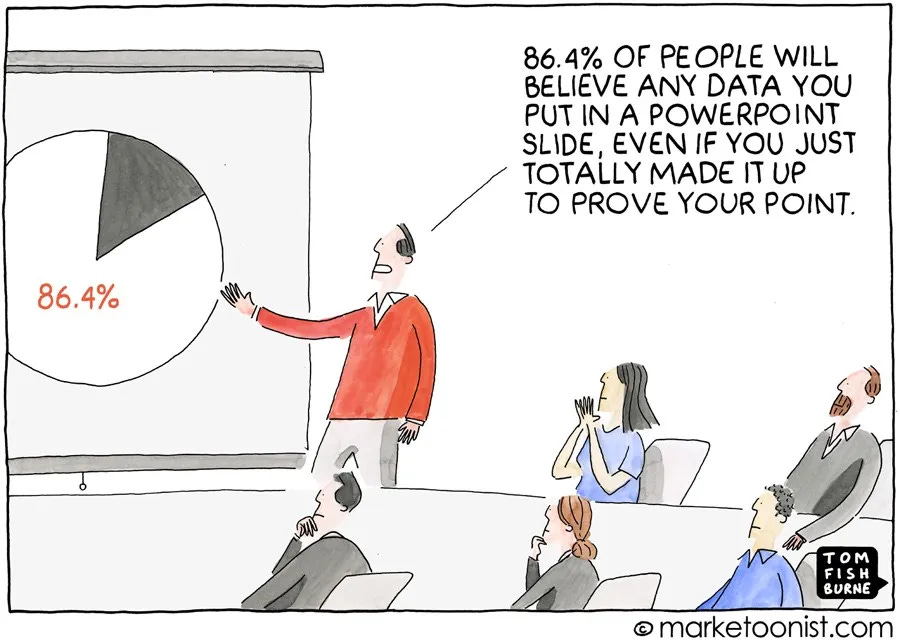
In this world of Claude (AI), making PowerPoint slides might seem inefficient on your part. But, I am not just talking about the quality of the slides. Make sure your slides have data that is well-presented. That 80% of the time equates to making sure you mark your x- and y-axes of the graph. Presenting data in a good fashion each week goes a long way when it’s time for your thesis writing. When you put together your research story, you already have a story arc with well-prepared figures. Also, everyone sitting in the meeting is thinking about their next timepoint to harvest their cells - so wrap up your presentation within the allotted time without drowning them in unnecessary data. If you ran an experiment without any controls, you might as well skip showing it. Prioritize data to be presented.
PS: If you have something personal to share, add a slide about it. It makes you human. Lab meetings are after all informal.
5. Show your Thought Process
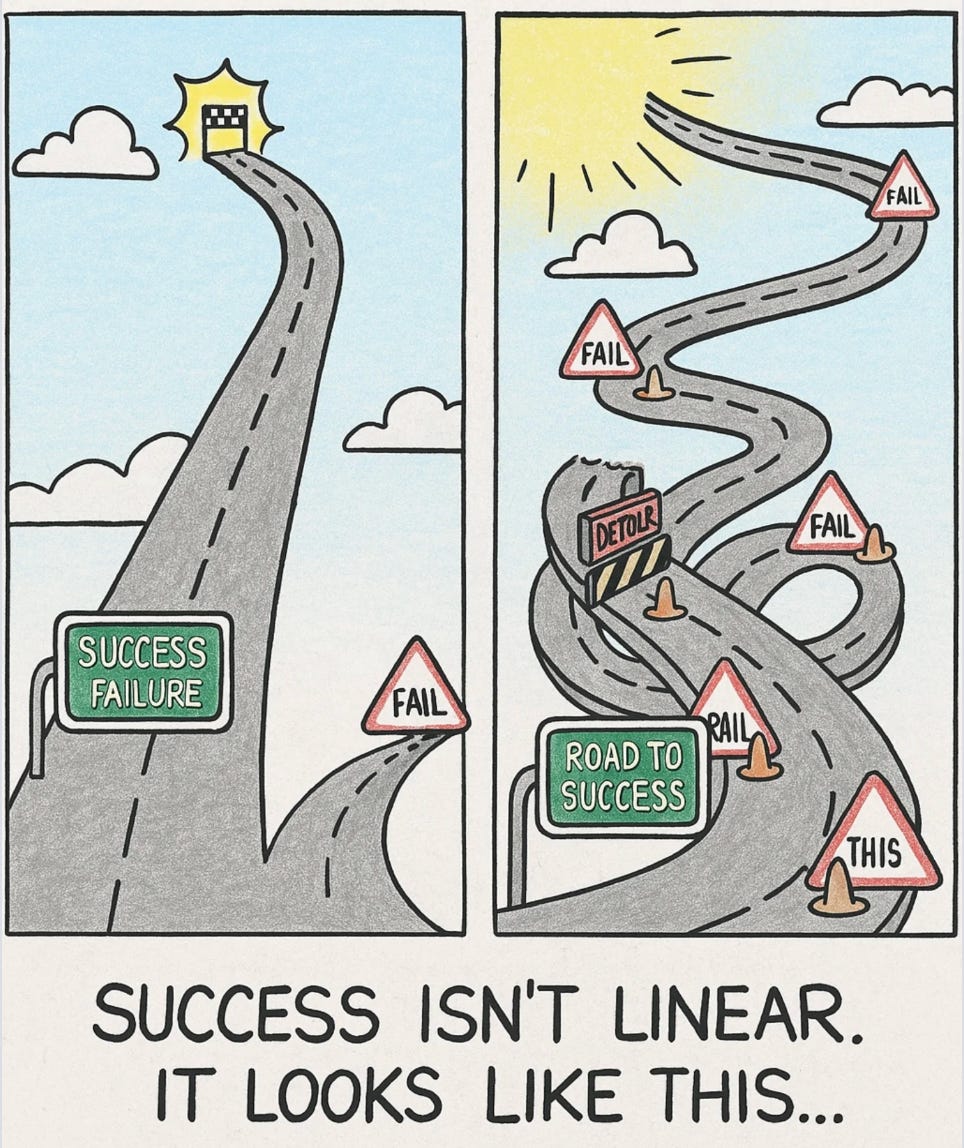
When you think back about the presentations you loved, it’s always those who took you along the ride. They presented the raw messiness - why did they choose to do X experiment, what answers were they hoping for, how did they design the experiment, what did the data reveal, and how did it support or refute their initial premise and claims. We all know that research is NOT a linear path. I wish we normalized it more. It’s hard to teach someone how to do research, but you can show them the best way by taking them along while presenting your work.
6. It’s Okay to Say “I Don’t Know”
When we present, there is this anxiety - “what if they ask a question and I don’t know how to answer it.” It is very normal not to have all the answers. If you haven’t understood the question, ask clarifying questions. If you have understood the question but have no answer, it is totally acceptable to say “I did think about it and haven’t followed up on that thought” or “I haven’t thought about it that way” or “let me reflect on it and circle back”. There is no point pretending that we are superhuman. We’re good old regular humans trying to do this cool thing called science. When you are honest that you don’t know, you also create that space for others to feel okay to say they don’t know.

7. Add in some Self-Deprecating Humor
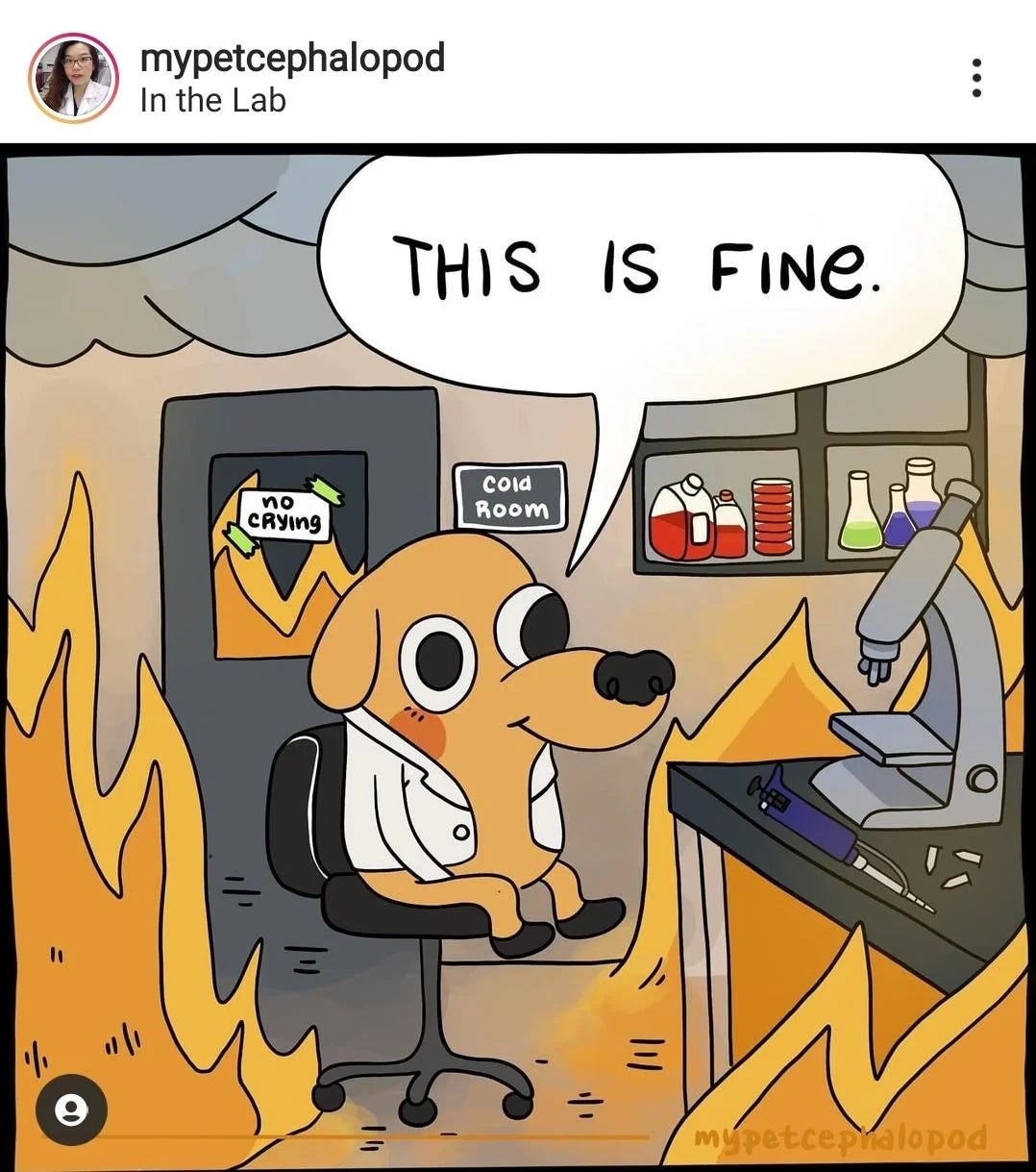
Okay, the psychologists might come after me for saying it’s okay to hide true feelings behind humor. But, that’s not what I am saying. During one of my long lab presentations, I had one of those months where nothing worked. Almost like the opposite of the Midas touch. My title slide had a picture of ducks not in a row, and I remarked that my ducks are as confused about my data as me. To this day, I have lab mates who tell me they loved that duck presentation. Adding a little self-deprecating humor either at the start or the end of your presentation normalizes the idea that it’s okay to come up front and stand there to talk about data that you haven’t made heads or tails of. Also, humor comes in handy when you need to pivot through awkward situations.
8. It’s Okay to Ask Questions
You know that one lab mate who hogs the entire lab meeting asking all sorts of banal questions? Yeah, don’t be them! Be the one who asks questions genuinely either to understand more or help the presenter finish their line of thinking. When you are doing research, there are 1000 things to think about and maybe the person presenting their data hasn’t had the quiet space (or time) to think through everything. Instead of saying, “Why haven’t you tried X or Y?”, phrase the question to ask, “I was just curious if you have had a chance to try X or Y?” Being in a diverse research space means everyone has been trained culturally in a different way and rewiring our words can genuinely help someone out.
9. Give Meaningful Feedback
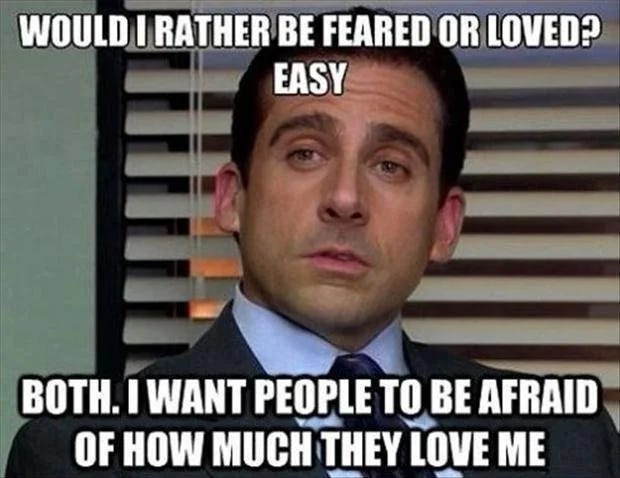
Remember that lab mate from point #8, probably the same one who keeps giving a lot of advice and pointers from just their point-of-view but totally unrelated to your research problem. Yeah, don’t be that person! Giving genuinely meaningful feedback is one of the hardest things ever, in my opinion. Everyone wants to help out, but finding exactly what help the other person needs is the hardest and much needed. Don’t just call someone’s SDS-PAGE gel crappy, offer to help them learn how to prepare a better one. Sometimes when too much is happening at lab meetings, the person may also not be receptive enough to process all the feedback coming in. After the lab meeting, offer to meet them for coffee and follow up then.
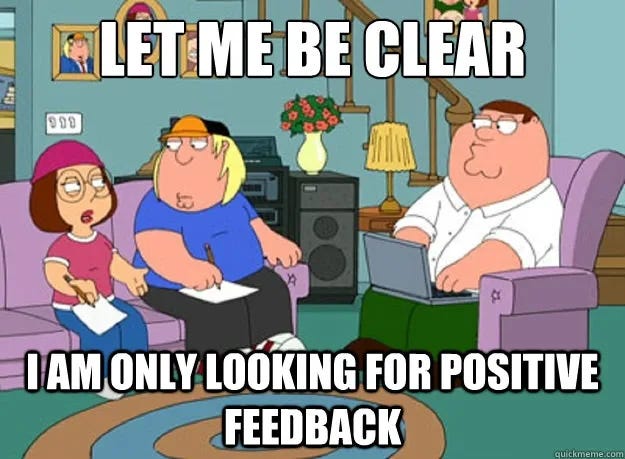
As the person receiving feedback as well, realize that no one (other than science) benefits from helping you. If someone offers to help, take it! I used to keep a running list of all suggestions people gave me. Even if in that instance it didn’t help, it probably helped at a later time for a completely different but related problem. Also, just adding here - there are some issues that are more complex. If you aren’t ready to bring them up in lab meetings, that’s okay. Think it over and bring it up next week. Or speak to your supervisor privately, get more clarity and then bring it up. It’s okay to go one week without any data.
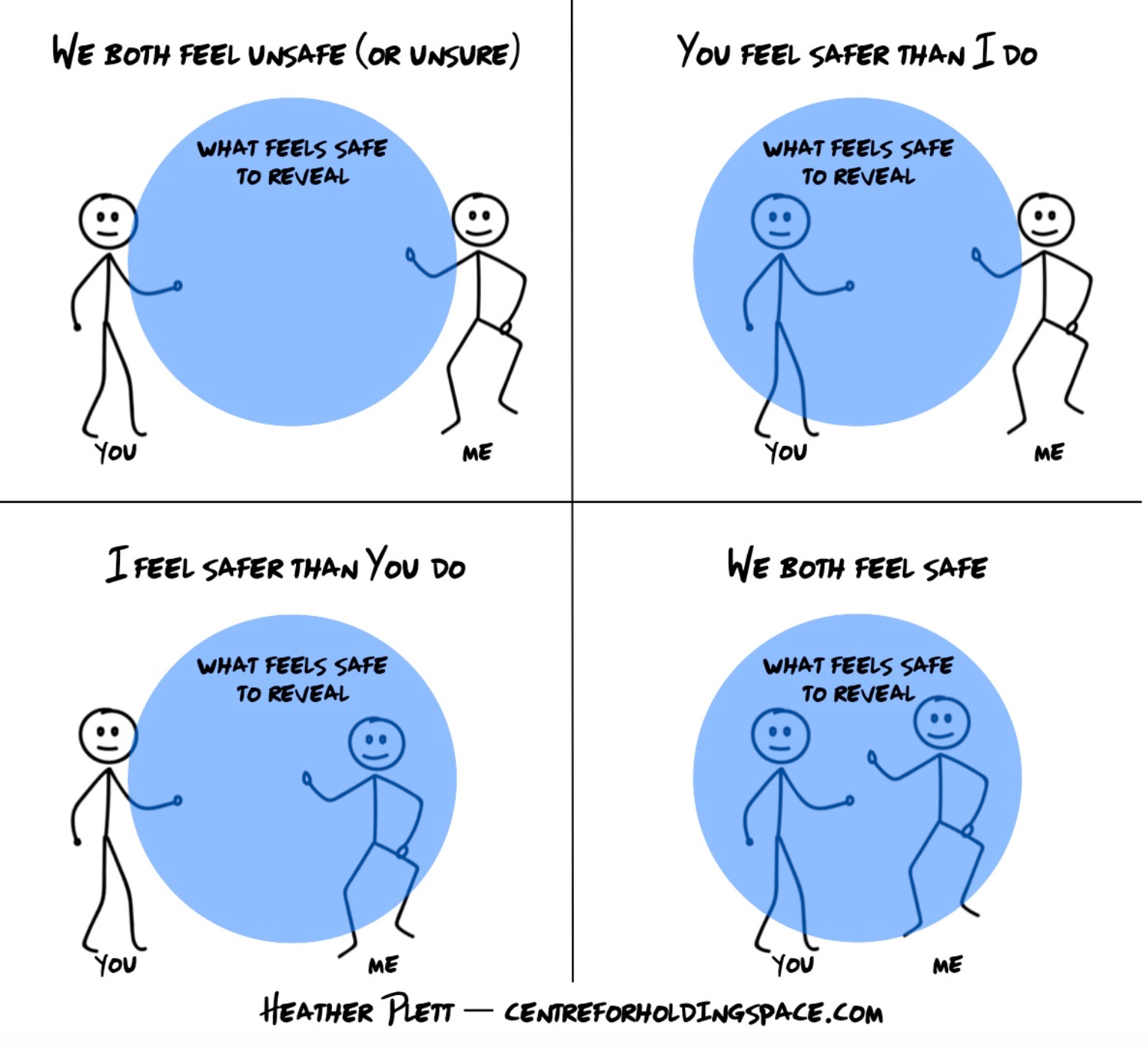
10. Realize That Making it a Safe Space Begins with You
Last but not least, be the change you wish to see around you.
If you want a supportive lab space, be that supportive person.
If you want a fun lab space, bring some humor and fun.
If you want to feel safe, provide the environment for others to feel safe.
It all starts with you!
[Bonus Tip] Bring Some Treats to your Lab Meeting
It doesn’t have to be extravagant. But once in a while, offer to bring some treats to the lab meeting. It could be some chocolates or croissants or even coffee! If you’re socially awkward, it helps to break the ice with others in the lab, apart from talking about the weather.
If you have any further tips to help grad students navigate their lab meetings, drop your tips below. ⤵️
This site is free and I intend to keep it that way for as long as I can because good science communication should be accessible, especially for students. If you enjoy what you read and feel like buying me a coffee along the way, I won't say no. ☕ And if you're not a student, consider paying it forward to one who is.
That was really insightful. I found many tips for being more interactive with others in my lab. And most importantly, I really loved all the images you used, specifically that 'graph' one!!! 😄
Thank you good luck