
The Binding Brief: Over-glorifying AI-designed proteins, more protein-related happiness, and Antibody-Drug Conjugates
No. 06 | June 24, 2026

Welcome to the sixth edition of the ‘The Binding Brief’, a weekly newsletter dropping in your inbox every Wednesday where we shall journey together into the world of antibodies.
First off, I wanted to address my wins of the week. Thank you to all of you for supporting my journey on Substack. When I launched my weekly newsletter ‘The Binding Brief’, I hit 100 subscribers the night before launch. After 5 editions, I have 200 of you reading The Binding Site and cheering me on along the ride.
A couple of years ago, I was part of the organizing committee of a Biotech conference and made a good friend from Japan (he brought Japanese Kit Kats for all of us… that has nothing to do with the friendship). But this week, he supported The Binding Site by buying me coffee. When you’re just starting off, even a small gesture goes a long way in cheering someone on and boosting self-esteem. I feel so loved this week! Thank you.
If you’ve missed out on previous editions, you’ll find the entire library of contents from my weekly newsletter The Binding Brief in the content library. It is split into categories based on the sections of my newsletter. So that, YOU can quickly navigate to the section and topics that interest you the most!
This week, we have some exciting things to discuss.
Raw Data: Are we wired to seek hardship?
This Week’s Deep Dive: Long-acting antibody cocktail against HIV
Bench Notes: Codon optimization: more protein, more happiness
Antibody Term of the Week: Antibody Drug Conjugate or ADC

1. The Raw Data
As always, I love starting out the newsletter with some raw data, my unfiltered raw thoughts and reflections of the week. This past week, I had too much on my plate. Some things weren’t under my control, but most of it, I am to blame. I added them onto to my own plate of my own volition. Oooo this is interesting, let’s try it out. And after 17 of those things, I was feeling a little too overwhelmed. The next morning, while sipping coffee, I had an epiphany of sorts (nothing close to the Archimedes bathtub Eureka moment though).
Many times, we notice the people around us being calm, enjoying life, and not worrying about their to-do list or rather, having a manageable to-do list. Yet, I find myself asking quite frequently - why is this getting harder than I thought it would be? Is it poor judgement at the start, narrow vision, may be? Most often, that hasn’t been the case. Sitting more deeply with this thought made me realize that as scientists, we tend to go deeper in thinking (look at the irony here). The deep quest for answers is what gives us true contentment. Especially as academics, if we had to zoom out and logically look at our life, nothing justifies the many decades of hard work, low salaries, and terrible work-life balance. It’s the sheer need ‘to know’ that drives us to become a scientist. Each time we find an answer, it doesn’t stop there. We raise the bar and want to go deeper (and consequently add more work to our plates).
It almost feels like we mirror this personality in our real life as well (I know I definitely do), leading to those extra 17 things on my plate. I wonder if evolutionarily, scientists are wired to seek hardship? Are our neurons fired up to seek the unknown and keep prying on? Drop your thoughts!
2. This Week’s Deep Dive
Why am I excited about this week’s deep dive section:
I’m most excited to write about this week’s deep dive. Before my PhD, for 6 years, I worked at Hopkins studying antiretrovirals (anti-HIV drugs) and during my PhD, I delved into the world of antibodies. The stint at Hopkins made me realize one thing - taking into account the patient’s mindset and their ease of access to medication is just as important as the therapeutic potential of an antiretroviral. We constantly monitored one parameter in most clinical trials - adherence. Does the patient adhere to the prescribed drug regimen? Most often, it wasn’t that someone didn’t want to have the antiretroviral, but many factors such as societal stigma to visit HIV clinics, transportation barriers, poor infrastructure, low awareness of options, to name a few, precluded them from accessing life changing antiretroviral therapy (ART).
Truvada (tenofovir + emtricitabine), a once-a-day oral pill changed the fabric of ART adherence. That further improved with cabotegravir, a long acting injectable that could be administered once every one or two months [Side note and shameless self-plug in: I worked on the clinical trials that helped get it FDA approved]. And more recently, lenacapavir, a twice-a-year injection has further helped improve the quality of life for those actively seeking prophylactic measures.
What is this new study all about and what were the results:
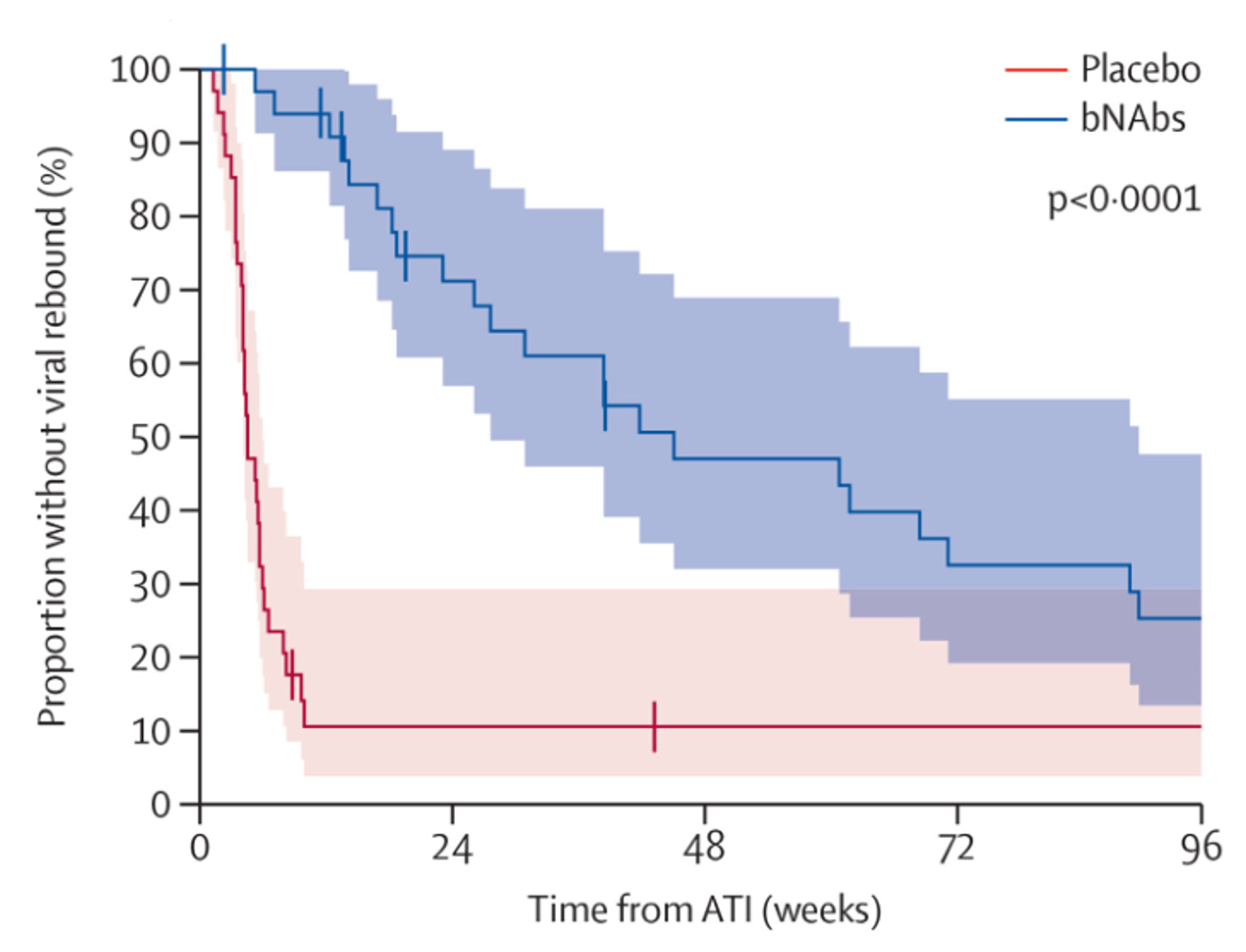
This recent article in The Lancet HIV was an interesting read for me because in a way it combined my professional learnings from Hopkins and Cambridge. Led by Imperial College London, this trial showed that an antibody cocktail consisting of two long-acting broadly neutralizing antibodies (bNAbs) 3BNC117-LS and 10-1074-LS could maintain prolonged viral suppression amidst antiretroviral interruption. The RIO trial was a double-blind, randomized, placebo-controlled phase 2 study. In brief, the results demonstrated that the bNAb combination was 91% more effective than placebo (case in which the cocktail isn’t given) at maintaining ART-free viral control. By week 20, 75% of participants in the bNAb arm had not experienced viral rebound, compared to just 11% in the placebo arm. Notably, some participants maintained viral control for beyond 96 weeks, even after the antibodies had reached subtherapeutic concentrations in their serum. These findings indicate that long-acting bNAbs are a promising tool for achieving long-term HIV remission without the need for daily medication.
What makes these antibodies novel:
Since this newsletter is all about antibodies, let me shed some light on the cocktail. Both the antibodies target the conserved regions of the HIV envelope glycoprotein and prevent the entry of the virus into cells. 3BNC117-LS mimics CD4 binding to target the CD4-binding site, while 10-1074-LS targets the V3 loop of the HIV envelope. Further, the antibodies were engineered with two specific mutations M428L and N434S in the Fc portion of the antibody. These mutations increased the antibody’s affinity for the neonatal Fc receptor, and enhanced intracellular recycling that extended the antibody’s half-life by three to four times (For 10-1074-LS, from 24 days to 81 days). Practically speaking, that’s a big deal for individual which increases the time gap between taking injections.
Longer half-life = More drug hanging out in the system = Less frequent injections
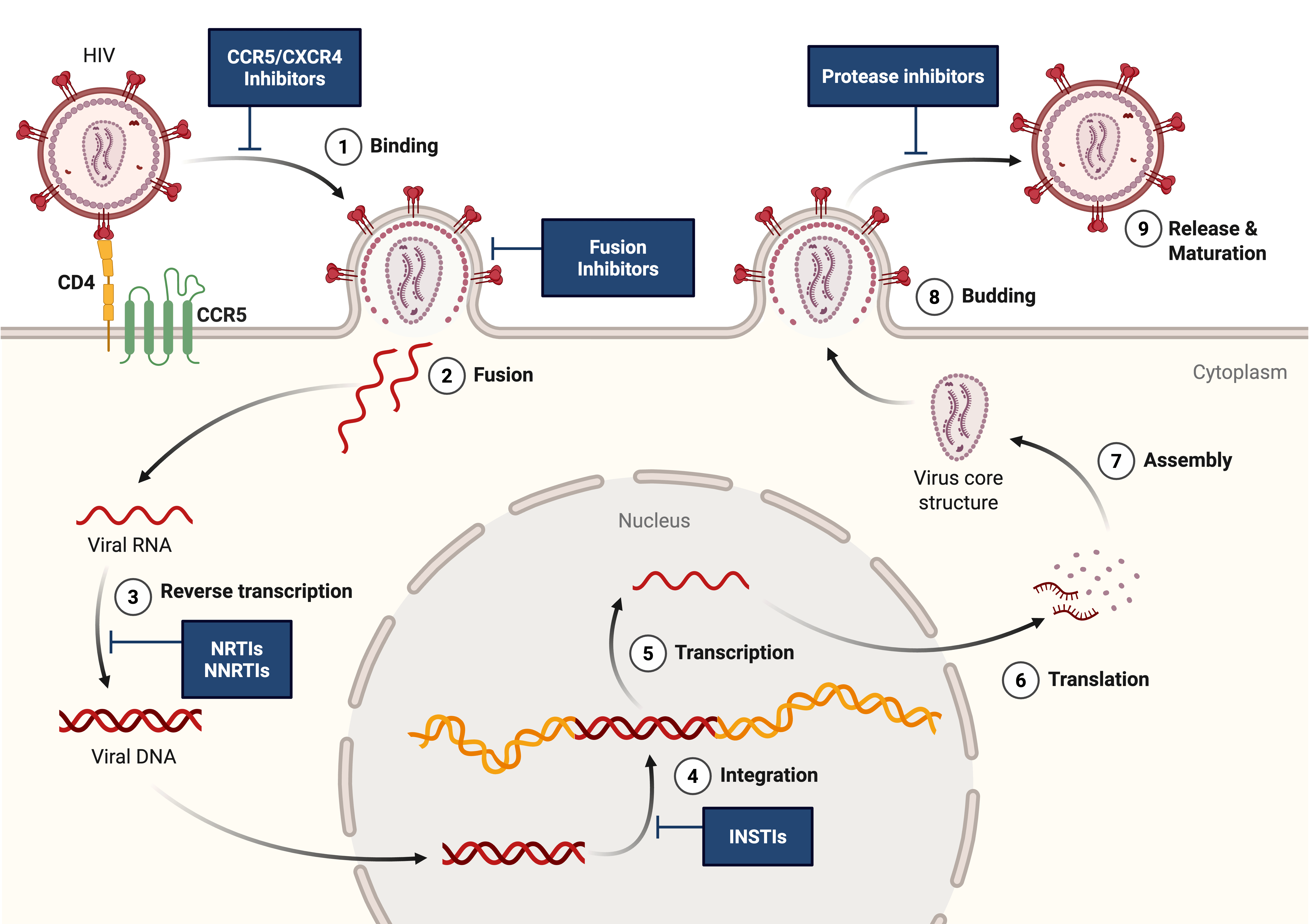
The authors also spoke about a potential “vaccinal effect” these antibodies might trigger, inducing or enhancing the host’s own T-cell responses and reducing the size of the latent HIV reservoir. This would explain why some trial participants continued to show viral suppression even after the antibody molecules were washed out of their systems. So cool - now you understand why I was so excited to read this paper on multiple levels. I’ll leave you with this graphic of the HIV life cycle to understand the different stages of the HIV life cycle allowing us to develop therapeutic options against different targets.
3. Bench Notes
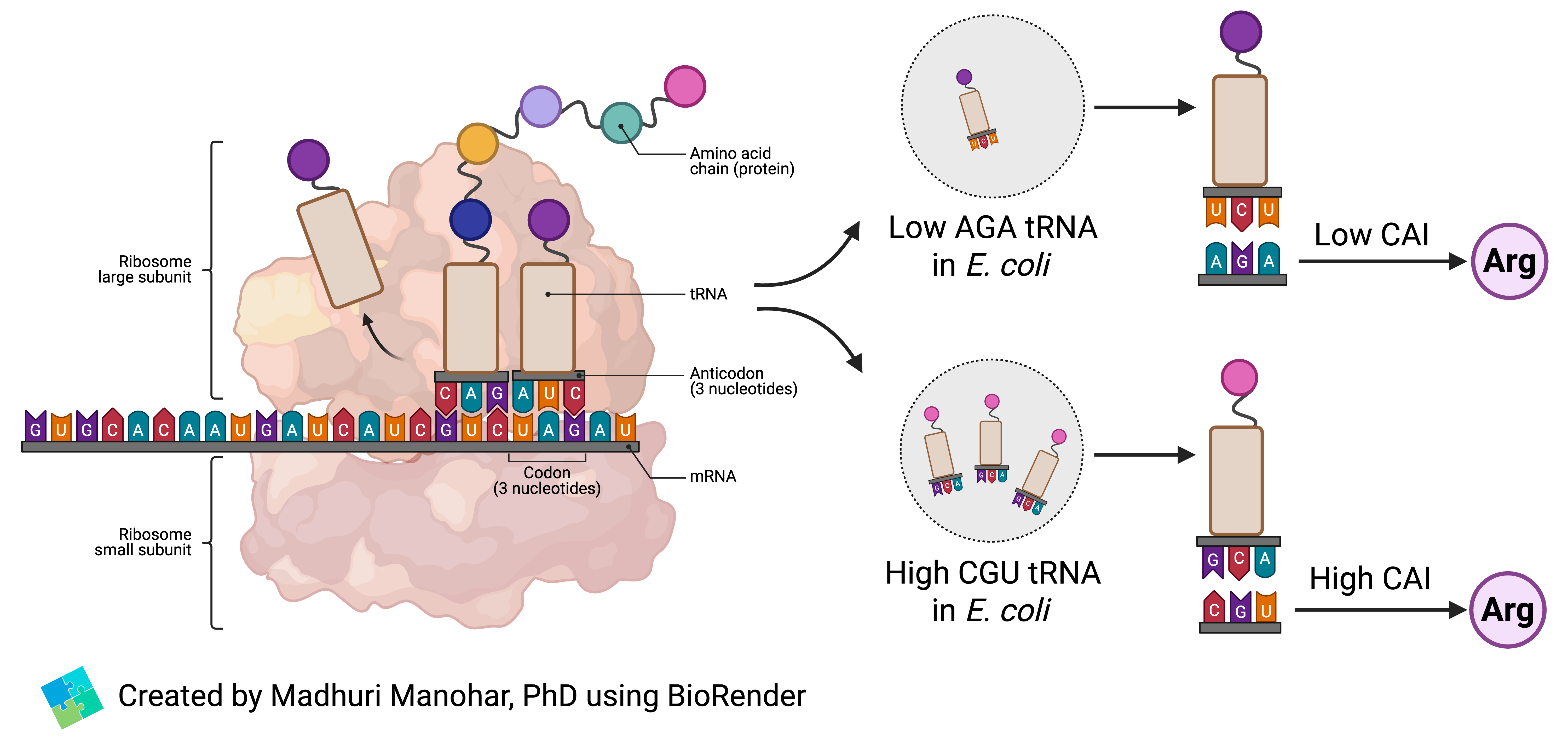
The E. coli expression system is one of the functionally easier host systems to produce a recombinant protein. The genetic code is degenerate, meaning multiple codons (3-letter DNA sequences) can designate the same amino acid. For example, Arginine (Arg, R) is encoded by 6 different codons: CGU, CGG, CGA, CGC, AGA, and AGG. However, in E. coli, AGA and AGG are the rarest codons due to low levels of their corresponding cognate tRNAs. So when we try to express a protein whose sequence contains AGA or AGG, there is a stall in translation. Think of E. coli scrambling to find this rare tRNA in its cellular pool. This leads to lower protein yields.
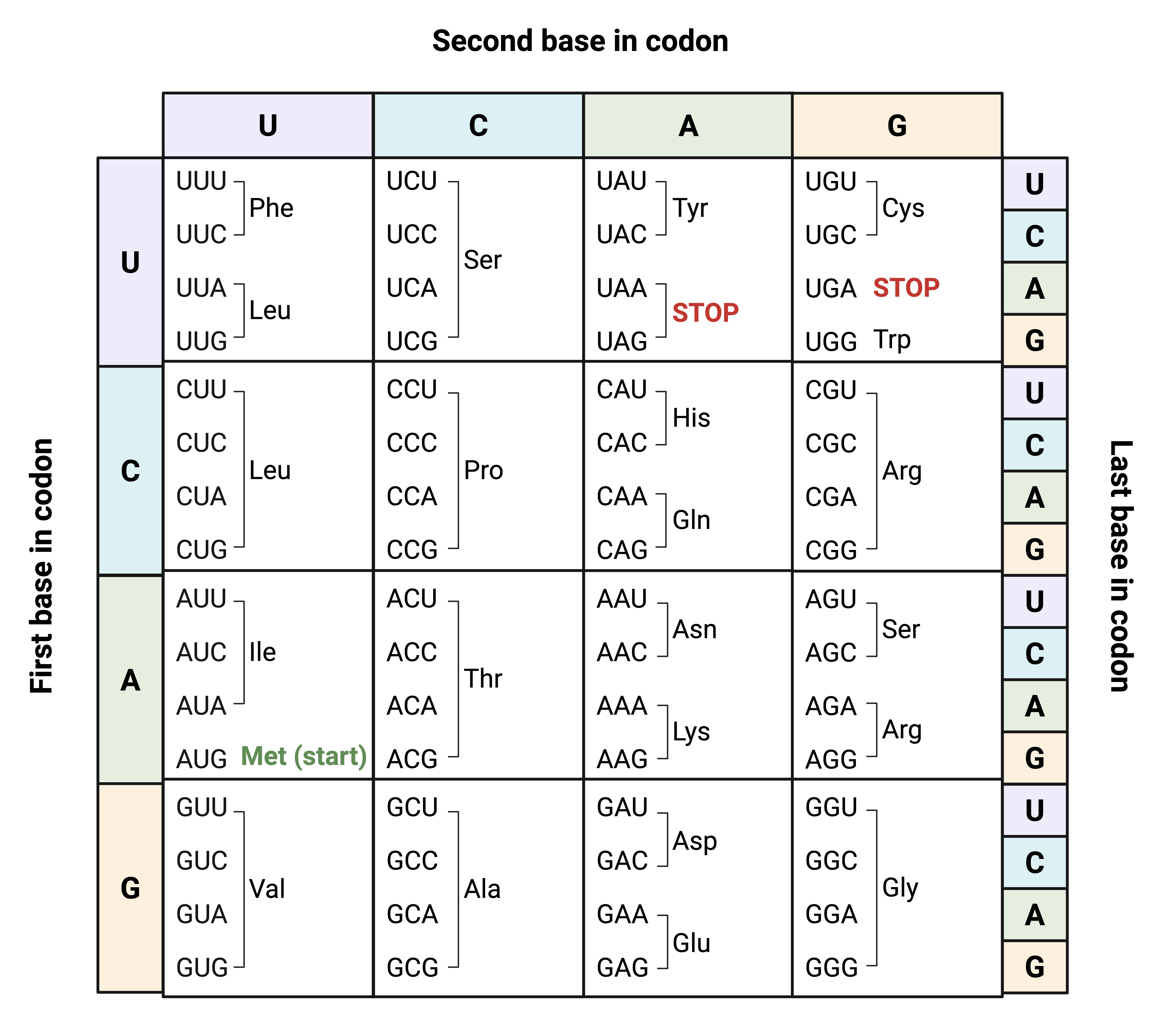
One of the easiest ways to increase the amount of protein produced is codon optimization. In codon optimization, we replace all rare codons with more common ones (such as AGA → CGU). The net result is that the exact same protein is expressed, but we play around the biases of E. coli to facilitate higher production. More protein, more happiness. Several online tools exist to carry out codon optimization (You can do it within Benchling too!). A metric called the Codon Adaptation Index (CAI) allows us to assess a sequence prior to expression. The closer the CAI value is to 1, higher in similarity is the synonymous codon usage of the gene to the codon frequency of the reference E. coli set.
4. In Silico
The Boltz Team (a frontier research lab building generative models for biology and chemistry) recently published a blog post addressing the significant gap between computational predictions and experimental reality in de novo protein binder design. What really struck me about this post was they defined the problem, proposed solutions, corrected their own prior data, and underscored (in bold) the importance of robust evaluation practices.
They highlighted a crucial issue: ambiguous screening signals are frequently reported as confirmed binders. It raises the apparent hit rate and indicates stronger binding erroneously. However, in reality, binding affinities from experimental data cannot support such claims. Yikes! Are we over-glorifying AI-designed proteins then?
Their first paragraph stated and I quote:
“We caution, however, that prevailing evaluation practices, if read uncritically, can lead to imprecise conclusions about what these methods can presently deliver.”
This is something I am passionate about and have addressed frequently on ‘The Binding Brief’. The speed at which AI is doling out protein designs has left validation metrics panting to catch up.
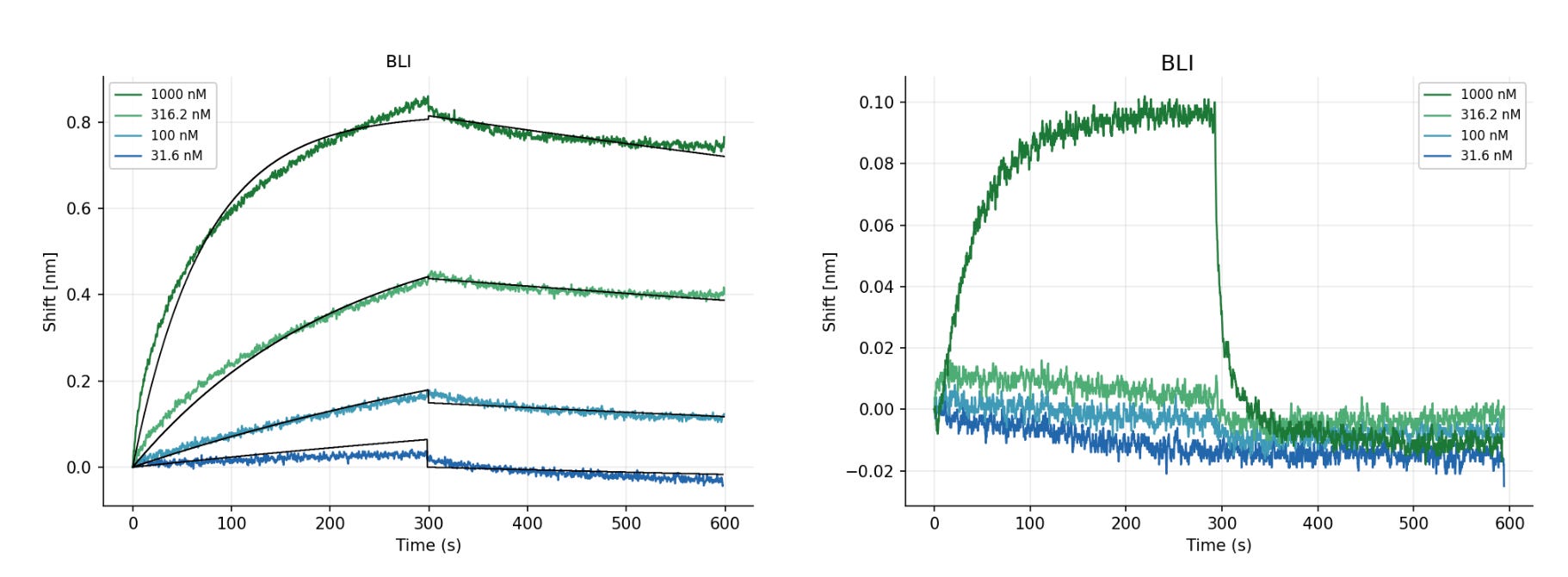
To illustrate their point, the team re-evaluated their own legacy design against CSF1, which initially showed an apparent binding affinity of 20 nM in SPR/BLI data. However, after flipping the assay (attaching the target to the surface instead of the binder, usually the case in SPR/BLI), they discovered the true monovalent affinity was actually ≥ 5 μM, more than 250 times weaker than first reported. This discrepancy was likely due to avidity effects from target dimerization, a common confounder that can artificially inflate binding signals and lead to inflated hit rates.
The Boltz Team proposed a new set of best practices for clean robust data as well as called for full transparency. Both equally important, in my opinion. I have summed it up below (but you’ll get more context when you read their post). These include:
Distinguishing Hits from Binders: A “screening hit” is defined by any interaction signal, whereas a “confirmed binder” requires a clean sensorgram or conclusive follow-up data, such as inverting the assay orientation or adjusting the target’s concentration range.
Clean Sensorgram Criteria: For a binding affinity (KD) to be valid, sensorgrams must show association times long enough to resolve curvature, at least a 5% signal decay during dissociation to permit a reliable fit, and plausible relationships between on-rates and off-rates.
Full Data Disclosure: To allow for independent reproduction, the team encourages researchers to release full sensorgrams for every reported hit, all reference channels, the exact sequences used, and the assay valency of the target to identify potential avidity-driven artifacts.
If you’re someone who is new to analyzing SPR/BLI data (or) are trying to understand how scientists typically quantitate and validate binding interactions (or) are curious to know more of robust evaluation practices used by them that you can implement into your workflows, I would highly suggest you check out their blog post, written with simplicity, earnestness, and the highest standards of scientific integrity. Leaving you all with this graphic showing how a small tweak in your experiment can provide more value and robustness to your output.
5. Antibody Term of the Week
An Antibody Drug Conjugate or ADC is a targeted cancer therapy that combines the precision of monoclonal antibodies with the cell-killing potency of chemotherapeutic drugs. It consists of three components:
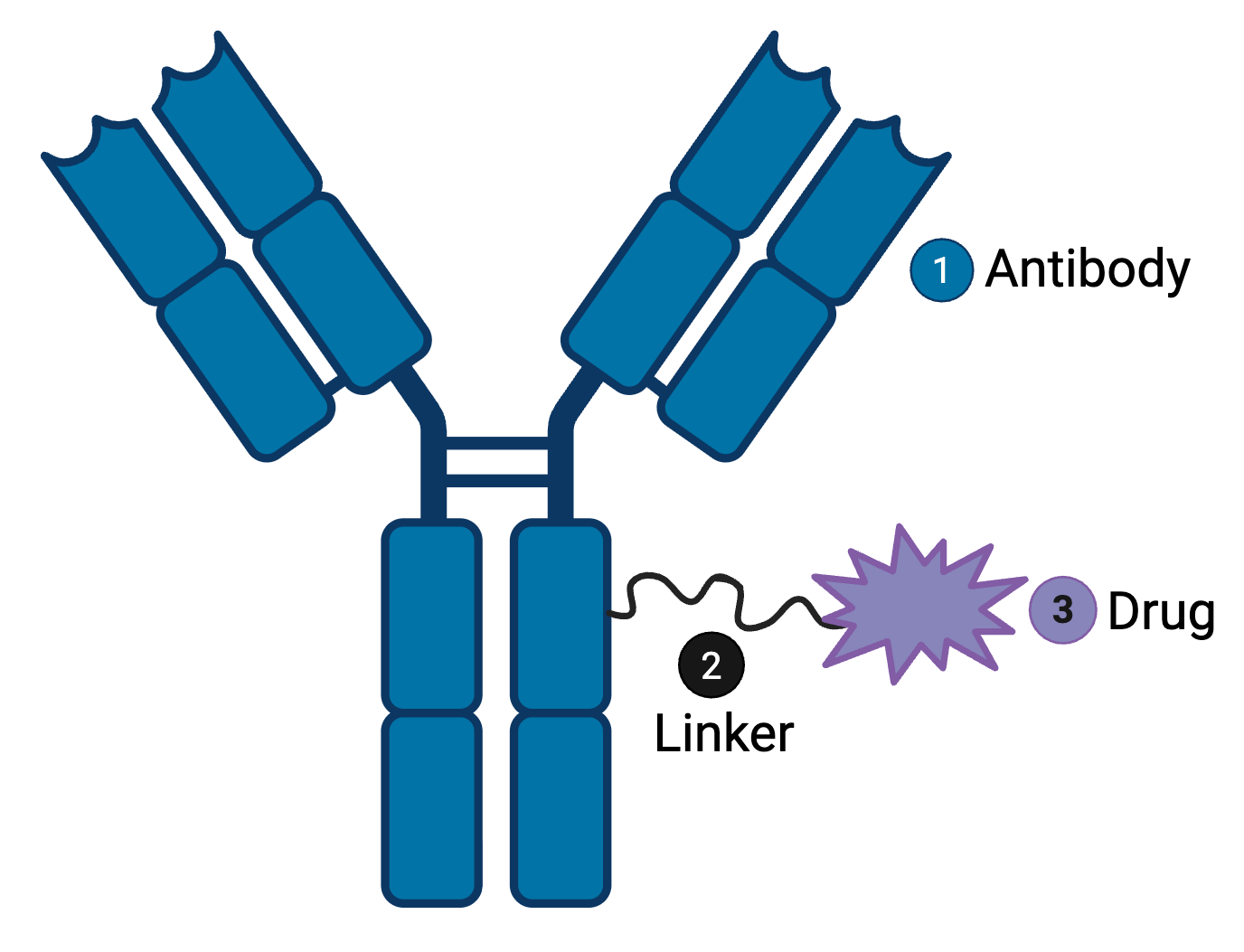
Antibody: It is engineered to target and bind a specific receptor that is often over-expressed in cancer cells. Once bound, the cell ingests the entire ADC complex.
Linker: It chemically joins the antibody to the drug and keeps that bond stable enough so that the drug isn’t released until it’s inside the cell. Once inside, the acidic environment of the lysosome cleaves that linker, and the drug is free.
Drug or Payload: The drug, often quite toxic, is released inside the cancer cell killing it.
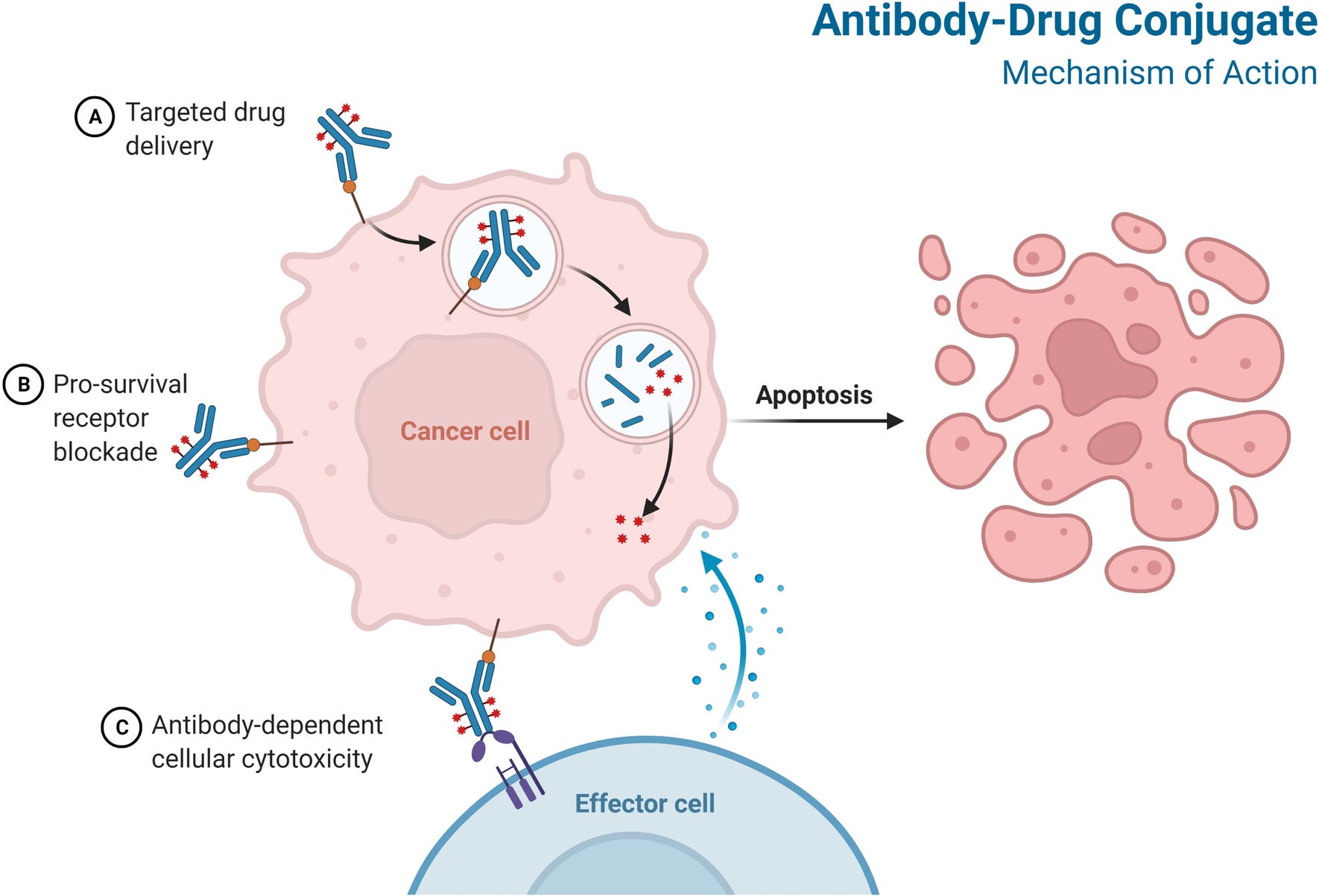
This mechanism allows us to deliver highly toxic payloads to the desired regions, unlike conventional chemotherapy which can also damage healthy cells. Less collateral damage, to put it simply. This is why ADCs are one of the hottest areas in drug development pipeline right now. You’ll always hear about them in the news.
And that’s a wrap folks!
I hope you all enjoyed this edition of ‘The Binding Brief’. If you have suggestions for topics you’d like to know more about… ⤵️
This site is free and I intend to keep it that way for as long as I can because good science communication should be accessible, especially for students. If you enjoy what you read and feel like buying me a coffee along the way, I won't say no. ☕ And if you're not a student, consider paying it forward to one who is.
Heartiest congratulations for this milestone, Madhuri.
This post was informative as always but I also want to appreciate about the visuals and colors you have used in it. It has enhanced the overall experience of reading your newsletter 🌸☺️
Wow 200 subscribers - well done